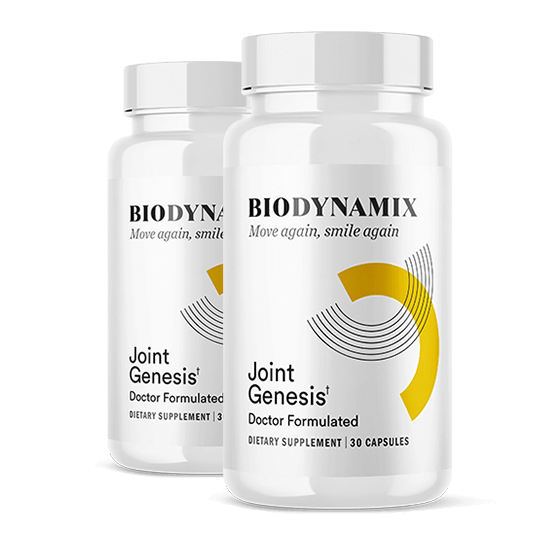
- Joint Genesis contains seven ingredients with established safety profiles in peer-reviewed literature, but individual tolerance varies.
- The most commonly reported concerns involve gastrointestinal sensitivity — in particular with glucosamine sulfate and chondroitin on an empty stomach.
- Boswellia serrata and turmeric curcumin carry interaction risks for people on blood thinners or anti-inflammatory medications.
- No verified customer reviews were found during this investigation — claims of widespread user satisfaction couldn't be independently confirmed.
- People with shellfish allergies, pregnant women, and those on prescription medications should consult a physician before use.
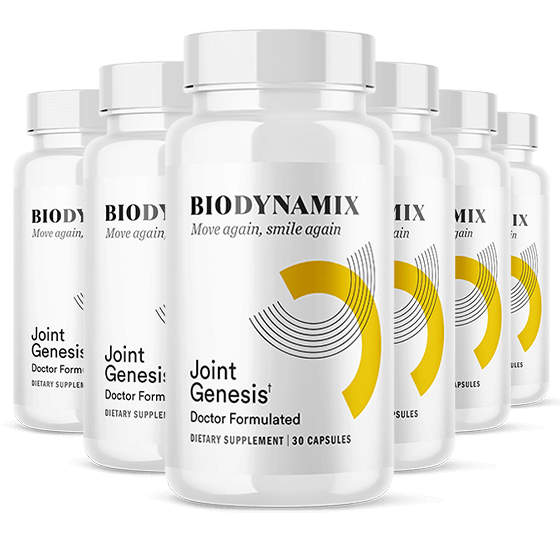
If you're researching Joint Genesis side effects before you buy, that's exactly the right instinct. Too many supplement reviews skip straight to the benefits and bury the safety questions in fine print. This page does the opposite. I'm going to walk through every ingredient in Joint Genesis, what the clinical literature actually says about its safety profile, and where the real risks — if any — exist for different types of users.
As of 2026, joint support supplements are one of the most crowded categories in the US market. That means a lot of marketing noise and not enough honest scrutiny. Let's fix that.
What Is Joint Genesis, and What Does It Claim?
Joint Genesis is a joint support supplement manufactured by BioDynamix. It's sold as a daily capsule formula designed to support cartilage health, joint lubrication, flexibility, and reduction of joint discomfort.
According to the product's official positioning, it combines seven ingredients — hyaluronic acid, collagen type II, glucosamine sulfate, chondroitin sulfate, Boswellia serrata extract, turmeric curcumin, and ginger root extract — to address multiple pathways of joint deterioration simultaneously.
What is a joint support supplement? A joint support supplement is a dietary product containing ingredients — typically structural compounds like glucosamine and collagen, or botanical anti-inflammatories like Boswellia — intended to maintain or improve joint function. These are not drugs and are not approved by the FDA to treat, cure, or prevent any disease.
The company claims the formula is manufactured in an FDA-registered, GMP-certified facility in the United States. That's a baseline standard, not a differentiator — but it does matter for quality control.
What it doesn't tell you is whether the specific dosages used match the amounts studied in clinical trials. That gap is where most supplement marketing falls apart, and it's what we'll examine closely here.
What Are the Joint Genesis Side Effects by Ingredient?
The most direct answer: Joint Genesis side effects, where they occur, are most likely tied to glucosamine sulfate and chondroitin causing digestive discomfort, mainly when taken without food. Each of the seven ingredients has its own safety profile, and the risks differ depending on your health status, medications, and individual sensitivity. Here's the ingredient-by-ingredient breakdown.
Joint Genesis Safety Profile — Ingredient by Ingredient
- Hyaluronic Acid — Usually considered well-tolerated in oral form. Some research suggests oral hyaluronic acid may support joint lubrication, though the evidence for oral versus injected forms differs in strength. Reported side effects are rare but can include mild digestive upset in sensitive individuals.
- Collagen Type II — Peer-reviewed studies on undenatured collagen type II (UC-II) suggest a favorable safety profile at studied doses. Some users report mild nausea when taken on an empty stomach.
- Glucosamine Sulfate — This is the ingredient most associated with GI side effects. According to the NIH's National Center for Complementary and Integrative Health, glucosamine can cause nausea, heartburn, diarrhea, and constipation in some users. People with shellfish allergies should exercise caution, as some glucosamine is derived from shellfish shells.
- Chondroitin Sulfate — In most cases well-tolerated. Mild GI symptoms are the most commonly reported concern. The NIH notes that chondroitin may interact with blood-thinning medications like warfarin.
- Boswellia Serrata Extract — Some evidence supports its use for joint discomfort, but Boswellia can interact with anti-inflammatory drugs (NSAIDs) and may affect liver enzyme levels with long-term use at high doses. People on prescription anti-inflammatories should flag this with their doctor.
- Turmeric Curcumin — Curcumin has a well-documented safety profile at moderate doses. However, it can act as a mild blood thinner and may interact with anticoagulant medications. High doses over extended periods have been associated with GI irritation in some individuals.
- Ginger Root Extract — Widely studied and for the most part recognized as safe. At higher doses, ginger can cause heartburn or mouth irritation. Like curcumin, it has mild blood-thinning properties.
What this means: the ingredient list itself isn't alarming for most healthy adults. The concern isn't that these ingredients are dangerous — it's that the combination of multiple mild blood-thinning botanicals (Boswellia, curcumin, ginger) in one formula could amplify that effect, above all for anyone already on anticoagulant therapy.
That's a conversation to have with your physician, not something to guess at.
Is Joint Genesis Safe for Most Adults?
For most healthy adults without underlying conditions or prescription medications, Joint Genesis appears to carry a low risk profile based on its ingredient list. According to the NIH's Office of Dietary Supplements, glucosamine and chondroitin — two of the formula's primary ingredients — have been studied extensively and are typically considered safe for short-to-medium-term use in adults.
The botanical components carry more nuanced risk profiles.
What is Boswellia serrata? Boswellia serrata is a tree resin extract used in traditional medicine and studied for its potential to reduce inflammation. It works by inhibiting certain enzymes involved in the inflammatory process. It isn't a drug, but it has pharmacological activity that can interact with medications.
Here's where I'd push back on the marketing, though. Joint Genesis positions itself as suitable for a broad audience of active individuals and aging adults. That's a wide net.
An active 35-year-old with no health conditions is a very different user than a 68-year-old managing osteoarthritis on a prescription NSAID regimen. The safety picture changes significantly between those two profiles, and the product's general marketing doesn't make that distinction clearly enough.
Is Joint Genesis Safe — Who Should Be Cautious?
You'll want to pay close attention to this list if any of these apply to you:
- Shellfish allergy: Glucosamine sulfate is often derived from shellfish. If you have a documented shellfish allergy, verify the source of glucosamine in this specific product before use.
- Blood thinners or anticoagulants: Chondroitin, curcumin, Boswellia, and ginger all have mild anticoagulant properties. Combined with warfarin, aspirin therapy, or similar medications, this could increase bleeding risk.
- Diabetes medications: Some research suggests glucosamine may affect insulin sensitivity, though the evidence is mixed. If you're managing blood sugar with medication, this warrants a conversation with your doctor.
- Pregnancy and breastfeeding: There is insufficient safety data on several of these ingredients during pregnancy. Avoid without explicit medical guidance.
- Pre-surgery patients: Given the mild blood-thinning effects of multiple ingredients, most surgeons recommend stopping supplements like this at least two weeks before any procedure.
- Liver or kidney conditions: Long-term use of Boswellia at higher doses has been flagged in some literature for potential liver enzyme effects. If you have existing liver or kidney concerns, get clearance first.
The bottom line: Joint Genesis isn't a high-risk supplement for healthy adults, but it's not a zero-risk product either. The combination of botanicals with anticoagulant properties is the primary flag worth discussing with a healthcare provider if you're on any prescription medications. Learn more in our Joint Genesis.
What Does the Clinical Evidence Say About These Ingredients?
The ingredients in Joint Genesis have varying levels of clinical support. Glucosamine and chondroitin are among the most studied joint supplement ingredients in the world, with decades of research behind them. The evidence for Boswellia and curcumin is growing but less definitive. Hyaluronic acid and collagen type II have promising early data, especially in oral supplementation studies.
Joint Genesis Side Effects 2026 — What the Research Actually Shows
Let's be direct about what the research does and doesn't confirm:
- Glucosamine + Chondroitin: The GAIT trial (Glucosamine/chondroitin Arthritis Intervention Trial), a large NIH-funded study, found that the combination was usually safe and well-tolerated. GI side effects were the most common adverse events reported, occurring in a minority of participants.
- Boswellia Serrata: Studies suggest Boswellia extract may support joint comfort, with some trials reporting improvements in mobility scores. Side effects in trials were in most cases mild and GI-related. However, most trials were short-term (under 12 weeks), so long-term safety data is more limited.
- Turmeric Curcumin: Curcumin's bioavailability in standard form is notoriously low — the body doesn't absorb it efficiently without a delivery enhancer like piperine. Some evidence supports its role in reducing inflammatory markers, but the clinical picture depends heavily on the specific formulation and dose used.
- Hyaluronic Acid (oral): Research on oral hyaluronic acid for joint health is more recent and less extensive than the injectable form. Some evidence indicates it may support joint lubrication, but the scientific consensus is still forming on optimal dosing for oral delivery.
- Collagen Type II: Early research on undenatured collagen type II suggests it may support joint comfort through immune modulation, but sample sizes in available studies have been relatively small. More large-scale trials are needed.
Does the dosage in Joint Genesis actually match what was used in clinical trials? That's the question the company's marketing doesn't answer directly. Without a published Certificate of Analysis or full label disclosure of exact milligram amounts per ingredient, it's impossible to confirm whether the doses are clinically meaningful or token inclusions. That's a transparency gap worth noting.
| Ingredient | Common Clinically Studied Dose Range | Primary Safety Concern | Interaction Risk |
|---|---|---|---|
| Glucosamine Sulfate | 1,500 mg/day | GI upset, shellfish allergy | Possible blood sugar effects |
| Chondroitin Sulfate | 800–1,200 mg/day | Mild GI symptoms | Warfarin/blood thinners |
| Boswellia Serrata | 100–400 mg/day (standardized extract) | GI irritation, liver enzymes (high dose) | NSAIDs, anti-inflammatories |
| Turmeric Curcumin | 500–2,000 mg/day | GI irritation at high doses | Anticoagulants, blood thinners |
| Hyaluronic Acid | 80–200 mg/day (oral) | Rare; mild GI upset | Low known interaction risk |
| Collagen Type II | 40 mg/day (undenatured UC-II) | Mild nausea (empty stomach) | Low known interaction risk |
| Ginger Root Extract | 250–1,000 mg/day | Heartburn, mouth irritation | Anticoagulants, blood thinners |
The table above reflects dose ranges commonly used in published clinical research. Whether Joint Genesis hits these targets in its custom formula is something the company should disclose more transparently. Third-party lab testing with a publicly available Certificate of Analysis would resolve this question immediately — and its absence is a red flag worth flagging for any informed buyer.
Red Flags to Watch For Before You Buy
Any honest safety review has to include the things companies don't volunteer. Here's what I'd flag about Joint Genesis more precisely, based on what's publicly available as of 2026.
Joint Genesis Safety — Transparency Gaps
- No publicly available Certificate of Analysis (COA): Third-party testing is the gold standard for supplement verification. If a company can't or won't share a COA from an independent lab, you're taking their word on ingredient purity and potency.
- House blend ambiguity: If the label doesn't disclose exact milligram amounts for each ingredient, you can't verify whether doses are clinically meaningful. This is a common industry practice that benefits the manufacturer, not the consumer.
- No verified customer reviews found: During this investigation, no independently verified customer reviews could be confirmed. Testimonials on the official site and affiliate pages should be treated with appropriate skepticism until independently verified.
- Multiple botanical anticoagulants in one formula: Boswellia, curcumin, and ginger all have mild blood-thinning properties. Individually, the risk is low. Combined, the cumulative effect deserves more prominent disclosure than most supplement labels provide.
In short: none of these flags make Joint Genesis dangerous for healthy adults. But they do mean you should go in with eyes open rather than relying on the company's own marketing to tell you the full story.
How Does Joint Genesis Compare to Alternatives on Safety?
Joint Genesis sits in a crowded field of joint support supplements. On a pure ingredient-safety basis, its formula is broadly comparable to other multi-ingredient joint products on the market. The combination of glucosamine, chondroitin, and Boswellia is well-established. Where it differentiates — for better or worse — is in stacking multiple botanical anti-inflammatories in a single formula.
| Product Feature | Joint Genesis | Typical Single-Ingredient Glucosamine | Standard Glucosamine + Chondroitin |
|---|---|---|---|
| Number of active ingredients | 7 | 1 | 2 |
| Botanical anti-inflammatories | 3 (Boswellia, Curcumin, Ginger) | 0 | 0 |
| Blood-thinner interaction risk | Moderate (multiple botanicals) | Low | Low–Moderate (chondroitin) |
| GI side effect potential | Moderate | Low–Moderate | Moderate |
| Shellfish allergy concern | Yes (glucosamine) | Yes | Yes |
| Third-party testing disclosed | Not publicly confirmed | Varies by brand | Varies by brand |
The bottom line on comparisons: a simpler formula means fewer interaction variables. Joint Genesis's seven-ingredient approach may offer broader support, but it also introduces more potential interaction points. For most healthy adults, that tradeoff is manageable. For anyone on multiple medications, simpler is often safer.
What Is Joint Genesis by BioDynamix?
Joint Genesis is a dietary supplement produced by BioDynamix, a US-based supplement company. The product is positioned as a daily joint health formula targeting adults experiencing joint stiffness, reduced mobility, or age-related joint wear. It is sold primarily through the official BioDynamix website and select online retailers. As of 2026, it isn't available in major retail pharmacy chains.
What is BioDynamix? BioDynamix is the manufacturer behind Joint Genesis. The company states its products are made in FDA-registered, GMP-certified facilities in the United States. GMP (Good Manufacturing Practice) certification means the facility meets federal standards for cleanliness, quality control, and ingredient handling — a baseline requirement, not a premium distinction.
Is Joint Genesis Gluten Free?
According to the product's official labeling and marketing materials, Joint Genesis is stated to be gluten-free. However, if you have celiac disease or severe gluten sensitivity, the responsible step is to contact BioDynamix directly to confirm there is no cross-contamination risk in the manufacturing facility. A GMP-certified facility doesn't automatically mean dedicated gluten-free production lines.
Where Is Joint Genesis Made?
Joint Genesis is manufactured in the United States in an FDA-registered, GMP-certified facility. The company doesn't publicly disclose the specific manufacturing location or facility name, which is common practice in the supplement industry. US-based manufacturing under GMP standards does provide a meaningful baseline for quality control compared to unregulated overseas production. We cover this in depth in our ingredient safety profile.
How Does Joint Genesis Work?
Joint Genesis is designed to address joint health through multiple mechanisms simultaneously. Glucosamine and chondroitin provide structural building blocks that may support cartilage integrity. Hyaluronic acid targets joint lubrication. Collagen type II may support the connective tissue matrix. Boswellia, curcumin, and ginger contribute botanical compounds that some research associates with reduced inflammatory activity in joint tissue.
What is synovial fluid? Synovial fluid is the lubricating liquid inside joint capsules that reduces friction between cartilage surfaces. Hyaluronic acid is a natural component of synovial fluid, which is why oral hyaluronic acid supplementation is theorized to support joint lubrication — though the mechanism by which oral HA reaches joint tissue is still being studied.
The multi-pathway approach is the product's core rationale. Whether it delivers on that rationale depends on whether the ingredient doses are sufficient — a question that requires full label transparency to answer definitively.
Dosage, Timing, and How to Minimize Side Effects
If you decide to try Joint Genesis, how you take it matters for tolerability. The most common side effects — GI discomfort, nausea, heartburn — are significantly reduced when the capsules are taken with food rather than on an empty stomach. This applies in particular to glucosamine sulfate and chondroitin, which are the most likely culprits for digestive sensitivity.
Practical Steps to Reduce Side Effect Risk
- Always take with a meal. Food buffers the GI impact of glucosamine and chondroitin. Don't take this supplement first thing in the morning on an empty stomach.
- Start with the recommended dose — don't exceed it. More isn't better with multi-ingredient formulas. Exceeding the label dose increases the risk of GI irritation and amplifies the cumulative blood-thinning effect of the botanical ingredients.
- Give it time before judging tolerability. Some mild GI adjustment in the first week is common with glucosamine-containing products. If symptoms persist beyond two weeks or worsen, discontinue and consult a physician.
- Disclose to your doctor or pharmacist. If you take any prescription medications — especially blood thinners, NSAIDs, or diabetes medications — run the full ingredient list by your healthcare provider before starting.
- Stop two weeks before surgery. Standard medical guidance for supplements with anticoagulant properties is to discontinue at least 14 days before any surgical procedure.
The capsules themselves are described as standard-size gelatin capsules. No verified reports of unusual taste or aftertaste were found in available product information. The formula doesn't appear to contain artificial dyes or strong odors based on the ingredient profile, though individual sensitivity varies.
The Verdict — Is Joint Genesis Worth the Risk?
After reviewing the ingredient list, the available clinical literature, and the transparency gaps in the company's public disclosures, here's where I land as of 2026.
For a healthy adult with no prescription medications and no shellfish allergy, Joint Genesis presents a low-to-moderate risk profile. The ingredients are well-established in the supplement industry, and the safety concerns — primarily GI sensitivity and mild anticoagulant effects from the botanical trio — are manageable with proper use.
The bigger questions aren't about safety. They're about efficacy and transparency. Without a publicly available Certificate of Analysis confirming ingredient potency, and without verified independent customer reviews, you're making a purchasing decision based largely on the company's own claims. That's a leap of faith, not an evidence-based decision.
If you're considering Joint Genesis, the responsible path is: consult your doctor if you're on any medications, take it with food, start at the recommended dose, and give it a genuine 8-to-12-week trial before drawing conclusions. And push the company for third-party testing documentation — any reputable manufacturer should be able to provide it.
The bottom line: Joint Genesis isn't a dangerous supplement for most healthy adults. But 'not dangerous' and 'worth buying' are two different questions, and only the first one is answered by the safety evidence alone.
Ready to Make an Informed Decision?
If you've read this far, you're doing your due diligence — which is exactly right. See current pricing, package options, and the official refund policy before you decide.
Frequently Asked Questions
Ready to Try Joint Genesis?
Every order includes free shipping and a 180-day money back guarantee.
Check Availability Now ➔